Kitchen Exhaust Cleaning: How Frequently Is It Needed?
Maintaining a safe and efficient commercial kitchen requires diligent upkeep of various systems—none more critical than kitchen exhaust cleaning. For restaurant owners and commercial kitchen managers, understanding how often to clean your kitchen exhaust system is essential not only for fire prevention but also for ensuring optimal airflow and equipment efficiency. In this article, we will explore the factors that influence cleaning frequency and highlight industry standards to help you develop a reliable maintenance schedule.
Why Regular Kitchen Exhaust Cleaning Is Crucial
Kitchen exhaust systems remove smoke, grease, heat, and odors generated during cooking. Over time, grease and other residues accumulate inside the ducts, hoods, and fans, creating a serious fire hazard. According to the National Fire Protection Association (NFPA) Standard 96, which sets the ventilation control and fire protection guidelines applicable to commercial cooking operations, timely cleaning is mandatory to mitigate these risks.
Beyond fire safety, regular kitchen exhaust cleaning also improves kitchen airflow, prolongs the lifespan of your equipment, and ensures compliance with local health and safety codes. Neglecting maintenance can result in costly repairs, fines, or, worse, downtime due to a fire or system failure.
For more insights, it’s helpful to review how your Kitchen Exhaust Systems are designed and maintained to accommodate proper cleaning schedules.
Determining Cleaning Frequency Based on Kitchen Usage
The frequency of kitchen exhaust cleaning depends primarily on your kitchen’s volume and type of cooking operations. The NFPA 96 standard outlines three basic cleaning frequency categories:
- High-volume cooking (e.g., 24-hour operations or charbroiling): Requires cleaning every month
- Moderate-volume cooking (e.g., fast food establishments with heavy grease output): Cleaning every three months
- Low-volume cooking (e.g., places cooking with little grease, such as coffee shops): Cleaning every six months to annually
High-Volume Kitchens
Restaurants with continuous cooking or charbroiling generate large amounts of grease and smoke daily. This constant buildup means grease deposits form quickly inside the exhaust ducts, creating a significant fire hazard if not cleaned regularly. For such establishments, kitchen exhaust cleaning is recommended monthly or as often as local regulations mandate.
Moderate-Volume Kitchens
Fast food outlets and similar kitchens typically require cleaning every three months. Grease buildup is noticeable but less frequent than in high-volume kitchens, so quarterly cleaning helps maintain safety and system function.
Low-Volume Kitchens
Establishments with minimal greasy cooking or seasonal operations might only need to schedule cleaning every six months to a year. Even if grease accumulates slowly, scheduling regular cleanings prevents surprises and ensures compliance.
Benefits of Maintaining a Proper Kitchen Exhaust Cleaning Schedule
Adhering to a systematic kitchen exhaust cleaning schedule brings a host of advantages:
- Fire safety: Grease is highly flammable. Frequent cleaning reduces the risk of grease fires and potential kitchen disasters.
- Regulatory compliance: Many jurisdictions require proof of regular cleaning. Staying compliant helps you avoid penalties or shutdowns.
- Improved airflow: Clean ducts and fans enhance ventilation efficiency, keeping air quality high and kitchen temperatures manageable.
- Equipment longevity: When grease and grime build up, exhaust fans and hoods work harder, leading to wear and potential breakdowns. Routine cleaning reduces strain.
- Cost savings: Preventative maintenance cuts down on expensive emergency repairs and extends system lifespan.
Failure to maintain your kitchen exhaust system not only jeopardizes safety but can also lead to costly insurance claims and fines.
How Professional Kitchen Exhaust Cleaning Works
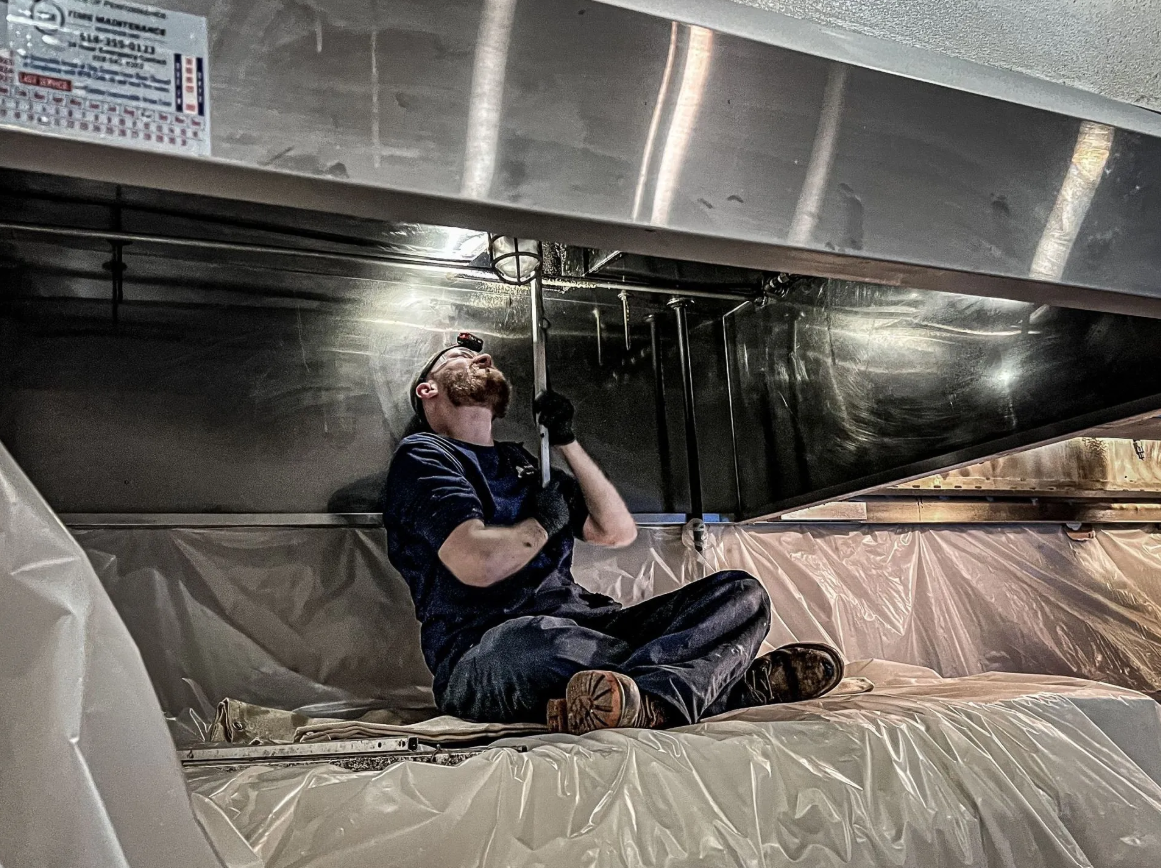
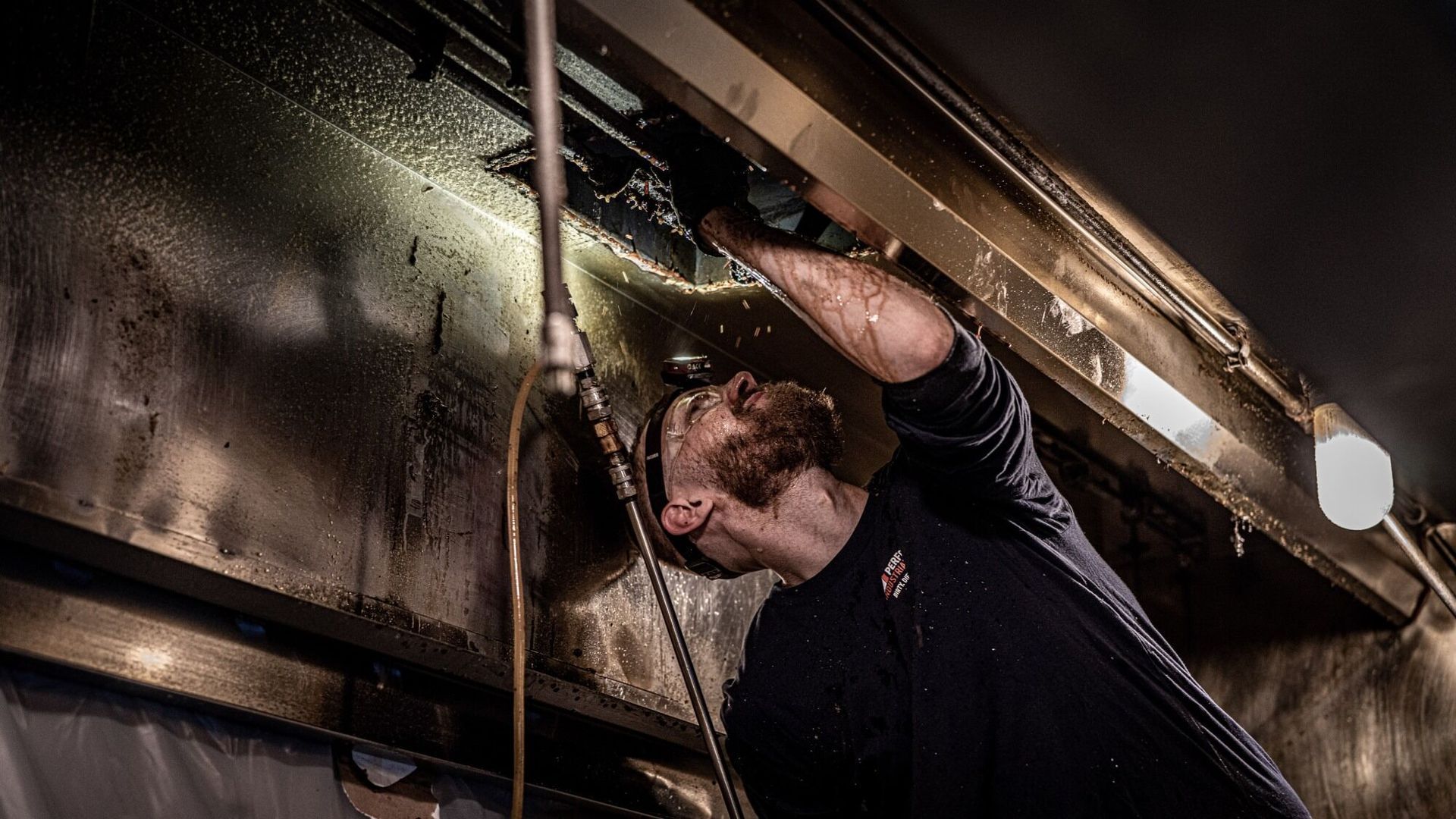
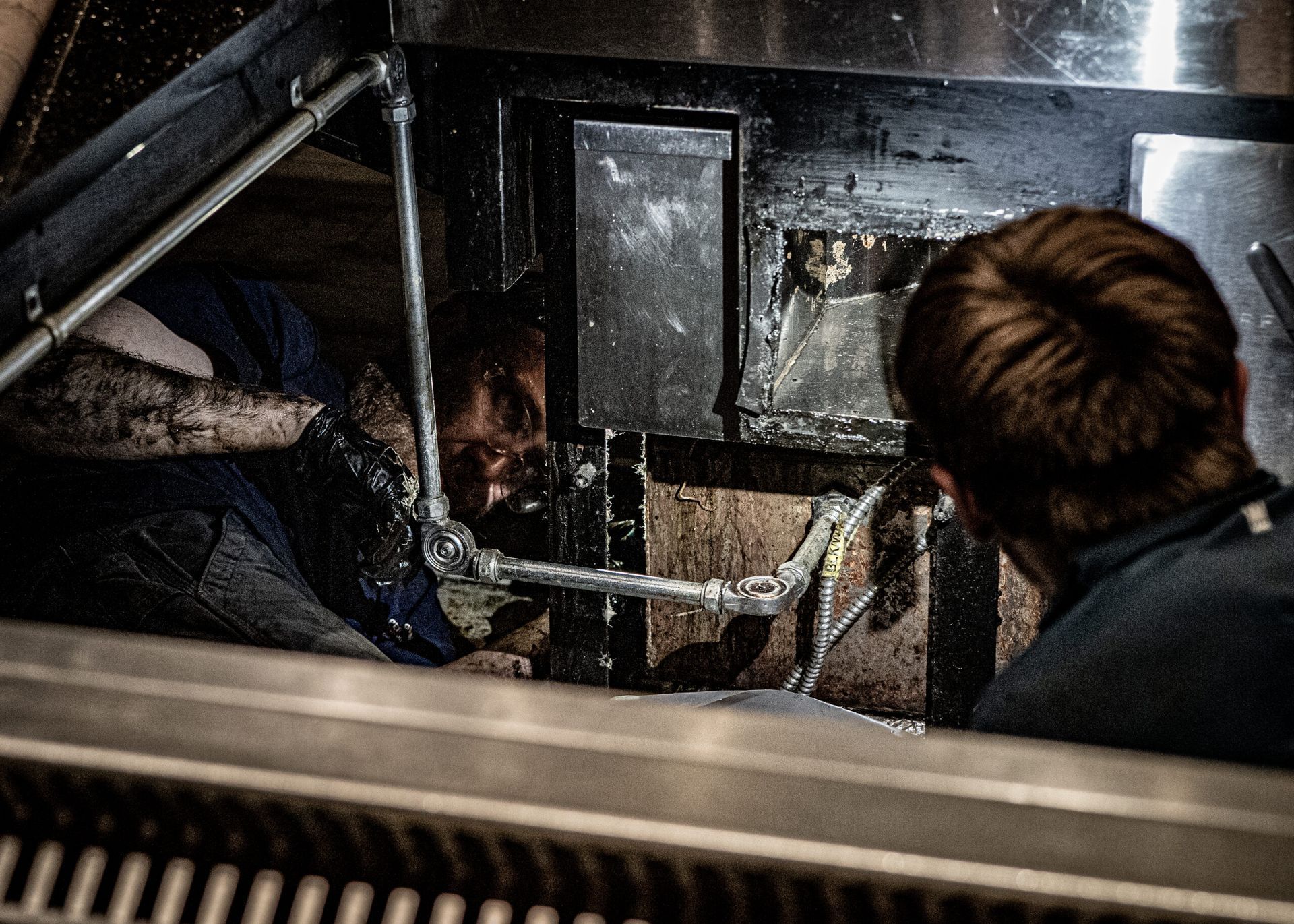
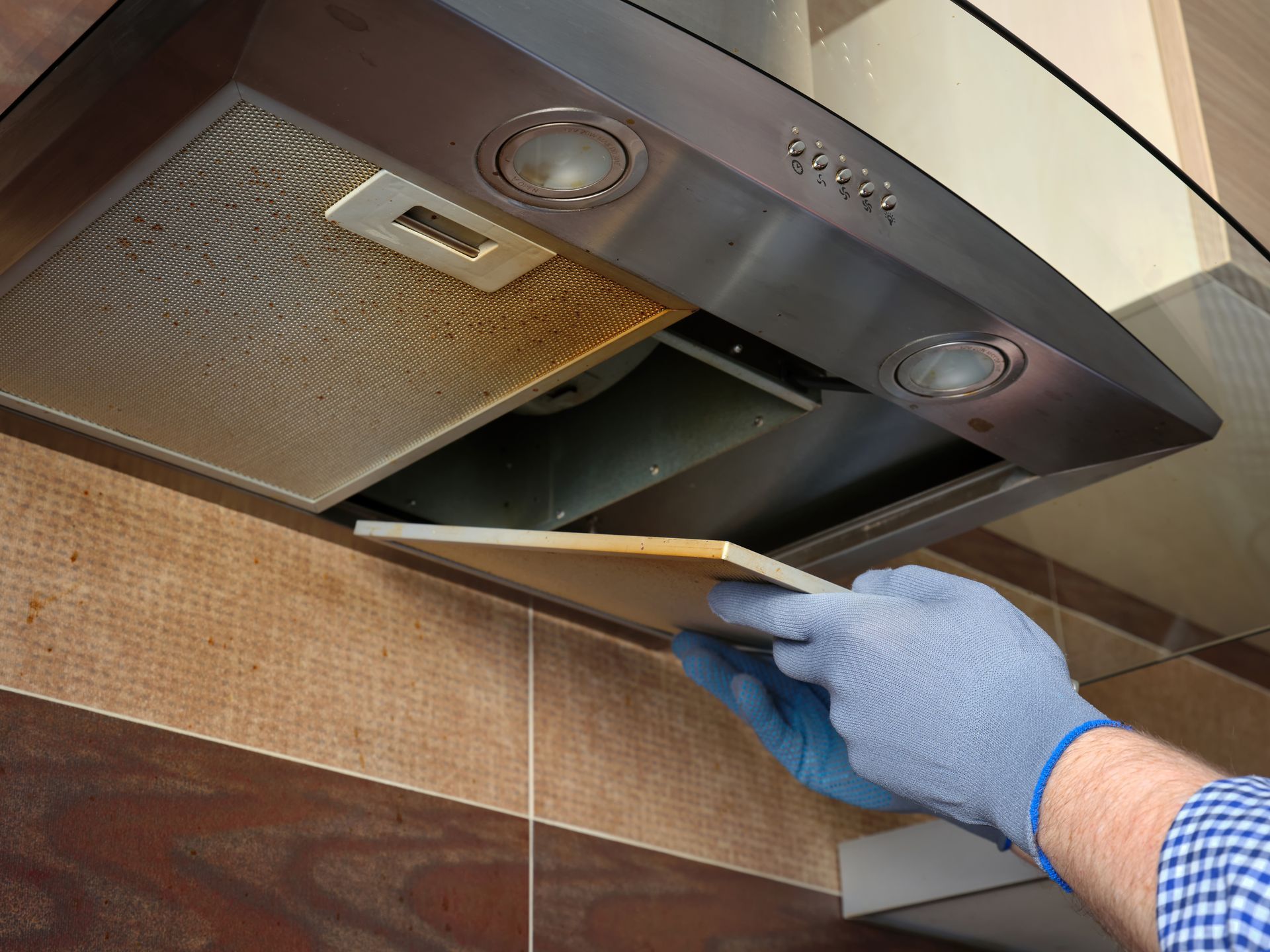
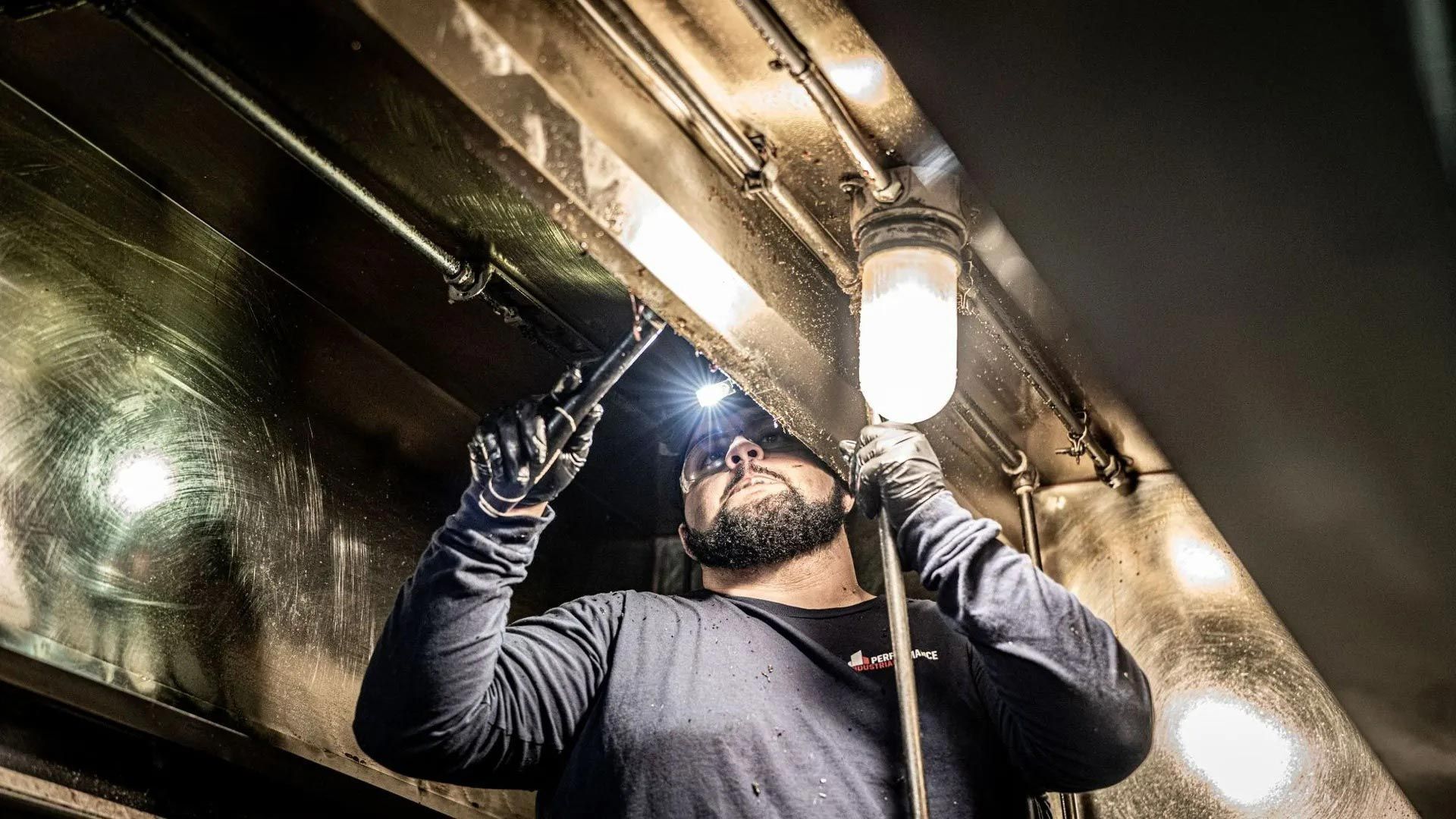
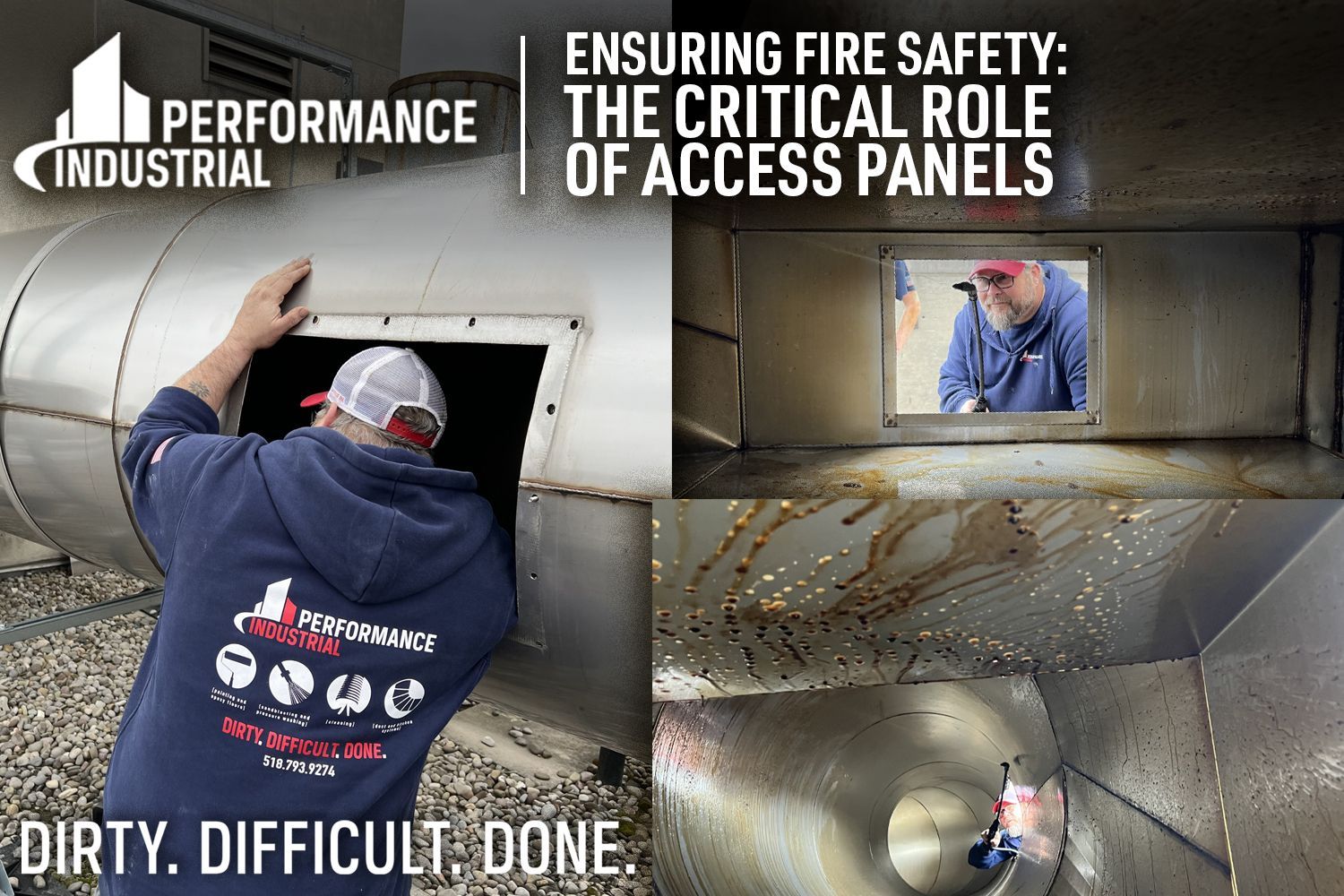
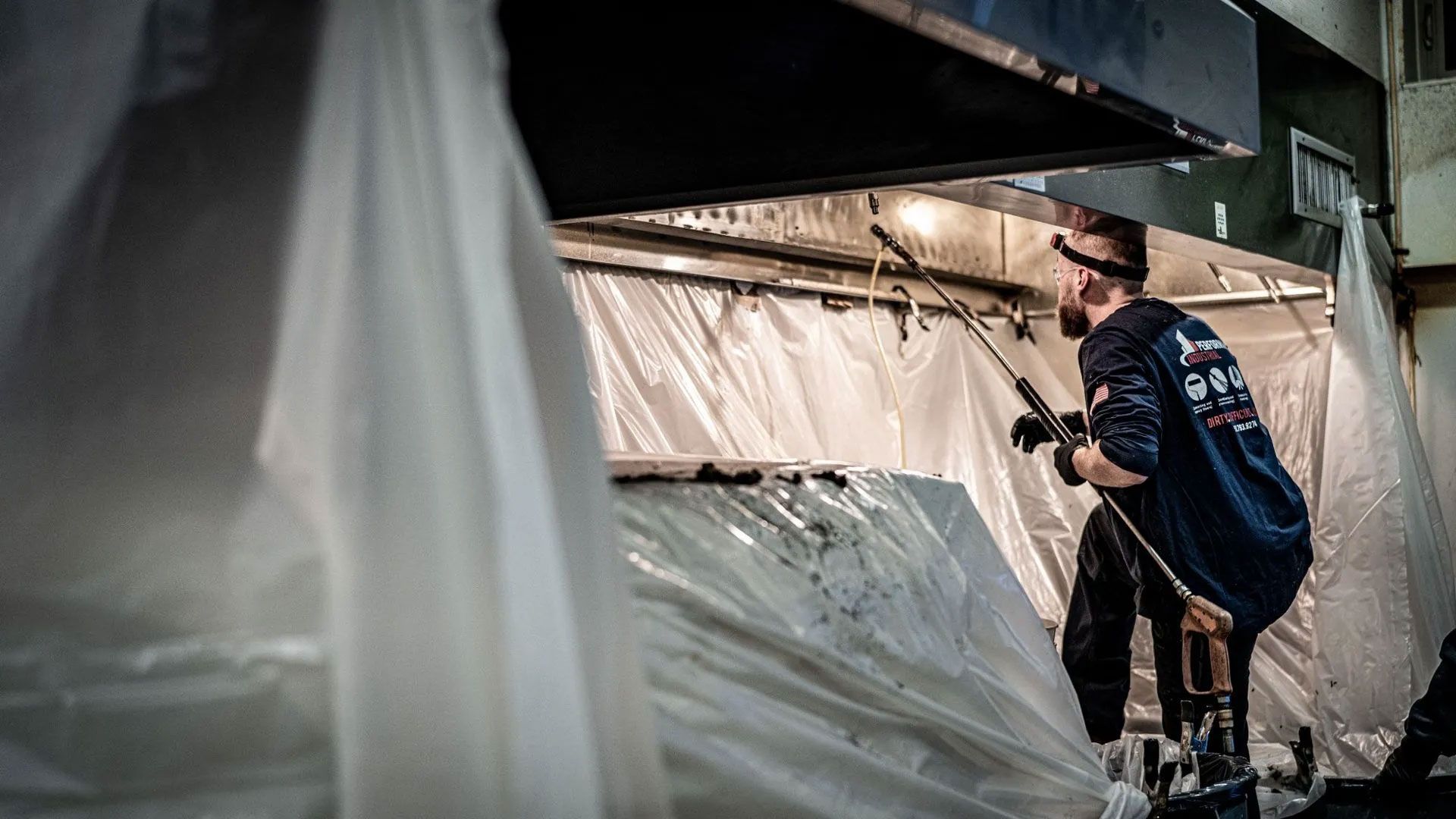
Professional cleaners use specialized tools to thoroughly remove grease from all accessible parts of the exhaust system—hoods, ducts, filters, fans, and plenums. They inspect the system for damage and offer recommendations for repairs.
Choosing a qualified company ensures the job complies with NFPA 96 and local codes. They also provide documentation that your kitchen exhaust system has been professionally cleaned—an essential record should inspections occur.
Learn more about the components involved by exploring our detailed
Kitchen Exhaust Systems overview.
Scheduling Kitchen Exhaust Cleaning for Your Business
To develop an effective cleaning schedule, first evaluate your kitchen’s cooking volume and style. Next, understand the requirements set forth by NFPA 96 and any local regulations that may apply.
Regular inspections between cleanings help determine if your cleaning frequency should be adjusted—the addition of new equipment or increased cooking hours, for example, may warrant more frequent service.
Document each cleaning event and maintain a service log. This record proves compliance and supports your kitchen’s commitment to safety and efficiency.
Keep Your Kitchen Safe With Performance Industrial
For restaurant owners and commercial kitchen managers in Hudson, NY, maintaining a reliable kitchen exhaust cleaning schedule is a critical part of your operation’s success. Performance Industrial specializes in thorough and compliant kitchen exhaust cleaning services tailored to your specific needs and usage levels.
Don’t wait until grease buildup compromises your kitchen safety or your business faces downtime.
Contact Performance Industrial today to schedule your next kitchen exhaust cleaning and ensure your kitchen exhaust system remains in peak condition—keeping your kitchen safe, efficient, and compliant year-round.